Robb Wolf gives a great talk on how the evolution applies to medicine and nutrition. A great intro to the why's of the Paleo Diet.
This is a need to see! Click the link!
http://rce.csuchico.edu/Mediasite/Viewer/?peid=b25c9f0075fc4320898afc0b1bc9f644

Showing posts with label nutrition. Show all posts
Showing posts with label nutrition. Show all posts
Monday, March 7, 2011

Saturday, February 5, 2011
Guest Post: My Experience with Type 1 Diabetes and The Paleo Diet

The week Kyp was diagnosed
In response to my asking if he would talk to some relatives of mine who are dealing with Type 1 Diabetes, a friend of mine, Kyp Kotzikas, went above and beyond, and chronicled his entire experience in detail, and shared it with the world.
Here, is his story:
My Experience with Type 1 Diabetes and The Paleo Diet
Hello,
My name is Kyp and I am a type 1 diabetic born on the 5th of May 1990 and diagnosed early August 2009.
I consider myself to be a friend of Drew Barquist's and he has asked me to write in regards to how eating a low carb paleo diet has helped me with my type 1 diabetes.
I guess I'll start from the beginning.
August 2009. Over the course of the past nine months I had changed from a chubby 102 kilogram teenager who plays too many video games and ate too many Big Macs to several months later becoming a muscular and active (6 gym sessions per week) 92 kilogram young man who thought that by adhering to the nutritional recommendations I was doing everything in my power to achieve an enlightened state of health whilst simultaneously continuing to lean out to a further six months later becoming a frail and disturbingly lean 70 kilogram male who looked like he needed to be sat down, force fed and watched to ensure he did not try to regurgitate what he had just swallowed.
I had been losing weight at a steady pace, somewhere in the vicinity of none at all to half a kilo per week until June. Once June hit my weight began to drop at an alarming rate, anywhere from 1 to 2 and a half kilos per week. Me being me I put this down to my increased effort with my highly intensive physical labour in the mornings, eating a ‘healthy’ diet full of whole grains, milk for calcium and protein, lots of potatoes and pasta in the evenings with some red or white meat, and an increased frequency of cardio vascular exercise. I was drinking gallons of water per day which I thought was due to the amount of exercise I was doing and I had began to grow increasingly tired in the evenings so I was slowly going to bed earlier and earlier getting an extra 2 to 2 and a half hours of sleep per night. I would wake constantly (every hour on the hour) and need to urinate. I would drink a half a glass of water and go back to sleep thinking nothing more of it as I thought that water is simply good for the body and the more you can drink the better.
August 2009 rolled around and my parents had invited myself to go on a week long holiday with them to Fiji. I was exhausted from exerting myself so hard with work (or so at the time I thought was the reason) and took them up on their offer. On the flight over I drunk something like four cans of coke (it was holiday time so I was relaxing on the diet and enjoying myself) and a bottle or two of water. My parents commented on the amount of liquid I was consuming with my father even telling me it was disgusting whilst having a dirty look on his face.
I had an unquenchable thirst.
If losing 30 kilograms in nine months with the majority of it coming in the past several wasn’t clue enough this certainly should have been.
We arrived at our hotel in Fiji. I had my own room and I started going to town on the ice cream, burgers and fries whilst having pina colada or two. After a day or two, food started to taste rotten, I still could not quench my thirst and I had lost all appetite. It was at this stage my mother asked if I’d like her to book me an appointment with a doctor. I agreed and the first available time was two or three days away.
I continued to try to force food down my throat as it tasted more and more rotten. I was growing increasingly exhausted despite being on holiday and I was still unable to quench my thirst.
The last night before the doctor’s appointment rolled around and it was HORRIBLE. I would wake every couple of hours with crippling stomach cramps. Now I’ve never broken a bone or had a tattoo or anything but these things were some of the worst pain I’d ever felt. I would wake in the pitch black and end up rolling off of my bed onto the floor due to not being able to get a break. These things were killing me. I have no idea why they happened. They’d never done so before and they never have since so I never bothered asking.
Morning time came and my father came to get me to take me to the doctor. I was unable to walk at this stage from being so weak so I had one arm over his shoulder whilst I slowly hobbled out to reception so we could get a taxi.
We arrived at the doctors and I had to be wheel chaired in at this stage. I sat waiting in the lobby until it was my turn to see the doctor. We discussed with them the symptoms and they then put an IV drip into my arm. Oh my god!! I don’t know if it actually works this way but I could just feel my arm being refreshed slowly upwards from the point at which it was inserted. The doctor then told me I had type 1 diabetes. At this stage I didn’t care. Just keep the damn drip in!!
They then put me into an ambulance and took me to their hospital where I had to wait some more. This place was FILTHY. Dirt everywhere, blood dripping all over the floor, no real privacy.
I got put into a room there where my parents waited with me. The nurse came and asked me to give her a urine sample (testing for ketones I suspect?) which I did. I laid back down and slept for I believe what was an hour or two which was absolutely great for me but must have been a rather nerve wrecking time for my parents as I don’t believe any of us knew what diabetes actually was at this stage.
The doctor finally came through, explained to us what diabetes is and how to manage it and that there is no known cause, preventative action or cure for it. “It could be genetic or it could just be something in the wind.”
We got back to the hotel what must have been that afternoon and I had the best sleep of my life. My father came and woke me for dinner, gave me my injection and then I was out to it for another 15 or so hours. I awoke hungry, without thirst and, thanks to the medication the doctors had given me for a tongue infection I’d contracted (apparently due in part to the diabetes), able to breath without a rotten taste in my mouth.
Fast forward six months I was back up to a healthy and muscular 82 kilos. I had put on 10 kilo of muscle in that first six weeks after being diagnosed and things were starting to look good. I began to eat OSM bars (because they gave one third of all your recommended daily requirements of nutrients), Subway twice a day (because bread is a staple food so it must be good for you), and changing my weetbix for rolled oats (because whole grains are healthy right?). The diabetic clinic called me a “star patient” due to my exercising six days per week and following such a healthy diet coupled in fact with my rigorous high frequency of injections and low volume of insulin.
Then I found CrossFit.
CrossFit would be what I would consider to be a revolution in exercise. No more two to three hour gym sessions. No more doing cardio 5 times per week for 45 minutes to 2 hours at a time. No more arm curls. No more leg press. No more machines.
No, CrossFit was different. All these exercises I’d been told was dangerous I was being taught. They taught me how to clean. They taught me how to snatch. They taught me how to jerk. They taught me how to squat, and I mean REALLY squat. No more of this knee bending, no further than parallel stuff (as if I ever got anywhere close!). We were going RIGHT down. Hips bellow parallel, toes pointed out, arms and chest up, tight lumbar curve and pushing the knees outward whilst always being able to wiggle our toes due to having the “weight through the heels”.
CrossFit was all about being ready for the unknown and the unknowable. About increasing you work capacity and your power out put over short periods of time as well as longer periods of time. And it did this by giving you a constant variety of functional movements, teaching you the mechanics of such movements to the point you can do them consistently and then increasing the intensity to a high, unsustainable level. You had to learn not to be afraid of failure. If you fail, so what? You have nothing to prove to anybody but yourself. Just throw the weight on the bar and see what happens. See if you can’t do another rep before dropping off the pull up bar. See if you can’t run that little bit faster, or do fifty unbroken double-unders instead of five sets of ten.
CrossFit changed my perspective on a lot of things in life. Things weren’t as black and white as what I had been led to believe and this caused me to open my eyes and mind to all sides of any given story.
Enter Paleo.
There was a top tier of athletes starting to emerge at the CrossFit box I was currently attending and we were getting through some work, but as is the case with all aspects of my life I always want to be the best so I started researching the top CrossFit athletes in the world and what they were eating to fuel their efforts. I found a common link amongst many of them that they were eating this thing called ‘Paleo’. “What’s a ‘Paleo’?” I wondered so I googled it. Turns out that this was the way cavemen ate in Paleolithic times. “But cavemen lived short brutish lives did they not?” Yes they did and this was due in part to the fact that you either hunt or you be hunted. You break a leg from falling off a cliff and you might as well be dead. There were no hospitals back then. There were no doctors. And there was nobody telling them they should be eating “healthy whole grains and plenty of calcium” everyday.
Our Paleolithic ancestors were strong, tall, lean and muscular. They had minimal signs, if any; of the many diseases we now face today. Why? Because there were no legumes back then. There was no dairy, and there were certainly no grains. It wasn’t until the advent of agriculture that the problems of these many diseases started to become apparent. The things we consider staples in our diet today (breads, cereals, pastas, milk, potatoes) just weren’t around until agriculture. We became too smart for our own good and as such the likes of our agricultural ancestors began to shrink in size. The density of their bones was so much less and the likes of tooth cavities became so much more frequent.
So what does this have to do with me? Well I then googled ‘Paleo Diabetes Type 1’ and came across a site and a post from a man by the name of Robb Wolf. It read
“Robb,
I emailed you about a month or so ago. I just want to give you an update on my situation: I’ve lost about 15-20lbs. I’ve taken no insulin for 5 weeks and I’m type 1 Diabetic!. Because of my strict paleo diet(gluten and dairy free) my a1c is not going to be much higher than when I was taking crap load of insulin. My glucose has really stabilized in the low 100s (100-125) and I haven’t had a low at all during this time nor have I had extreme highs like when I was taking so much insulin. My blood pressure has dropped tremendously and my Internist thinks that my pancreas has jumped started again, because even when I have had a cheat meal my blood is responding in a completely different manner. We are going to do a c-peptide test again. I’ve also started to incorporate better sleeping patterns (trying to get 9-10 hours) and my fasting glucose is even better (lower) than before.”
I now had every reason to start and no reason not to. So I gave it a go. And as is always the case with myself, I threw myself straight into the deep end. Beef sausages with salad and olive oil for breakfast. Lamb chops and almonds for mid morning meal. Steak and almonds for lunch. Protein shake with banana both pre and post workout. Chicken breast with salad and olive oil for dinner.
Monday to Friday. Minimal insulin requirements, increased energy levels and sense of awareness, and several kilograms of weight loss.
Saturday morning. I finish training. Take my half a unit of insulin to account for the banana I’m about to consume. Half an hour late I’m hypoglycaemic. Take another banana. Ten minutes later still hypo. Consume another banana. Ten minutes later still hypo. One more banana. Ten minutes later my blood glucose has returned to a more level and I start to get excited with the prospect that I may have just had a remission in my supposedly incurable Type 1 diabetes.
Since then I have increased my work output dramatically, my numbers with the lifts are going up and my weight seems to be steady at a healthy, muscular and lean 83kg whilst being 6’
Now I’m not saying that I am cured. Nor am I saying that everybody will get the same results (Robb Wolf stating that only 5% of his Type 1 Diabetic patients see a return in pancreatic function). What I am saying is that so long as I adhere to the conditions of a Paleolithic diet (Grain, Dairy and Legume free), train with a smart amount of frequency (Four to Five times per week. Anything more begins to become a bit much) and get good amounts of sleep (aiming for 8 – 9 and a half hours per night in a pitch black room) then my pancreas seems to produce insulin and prevent me from having to depend upon external sources.
I have strayed from this diet in the past and sometimes my pancreas stops creating insulin for a week, other times it has stopped for several months on end (the most recent case being the longest). My pancreas has of two days ago started to create insulin again and this time I am not going to abuse it by experimenting with different foods to the extent and volume I have in the past. One thing I have noticed with myself though is that my body HATES the sweetener ‘Malitol’ and I will be trying to stay away from this at all costs (It is a major ingredient in a lot of sugar free items along with ‘Sorbitol’)
All I can recommend for others is to just try it for thirty days, see how you look, feel and perform and go from there. It’s not a hard diet, you just don’t eat specific things. And hey, if you come to find that it works for you then that’s great, if not, then all you’ve missed out on is specific foods for thirty days.
What have you got to lose?
Tuesday, January 11, 2011
Phosphatidylserine, Phosphatidylcholine, and Other Phospholipids - Why You Need to be Eating Organ Meats Regularly

The Other, Other Red Meat...
Organ meats have been much neglected in our society. Most cultures around the world make good use of the internal organs of the animals they consume. In fact, organ meats are often the most prized part of the animal, and for good reason. The Inuit would actually prefer the organ meats, feeding the leanest muscle meat to their dogs. Westerners have in a large part lost the taste for these great parts of the animals, and I'm going to explain why you should change this, not only for health and money, but for performance! (Which is truly all we really care about, right?) Hot, dirty, nasty performance as K-Starr would say!
To look at the nutrition content of each type of organ meat, click the links!
Health
Organ meats are the most nutrient dense tissue in an animal! These babies are like a multivitamin! Liver is a nutrient heavy-weight, boasting a great source of copper, iron, phosphorus, manganese, selenium, zinc, vitamin A, all B-vitamins, and phosphatidylcholine. Kidneys are incredibly high in vitamins and minerals as well, similar to liver! Heart, though not as concentrated as liver, still offers up a great nutrition profile similar in content to liver and has the benefit of having the highest phosphatidylserine content outside the brain. Sweetbreads (thymus and pancreas) offer a similar nutrition profile to heart, with the exception of being very high in vitamin C; just 3 oz will fill the RDA for vitamin C!
Finance
Organ meats are cheap! Because of the public's general attitude towards them, organ meats often sell for much less than their muscle counterparts. I've often found chicken hearts for half the price of ground beef, pound for pound. With the decreased price, and increased nutrient density, you get much more nutritional bang-for-your-buck.
Performance
Phospholipids are molecules that compose the largest part of cellular membrane in our cells. New interest in increasingly being focused on the phospholipids that we consume because of their potential benefits in nearly every area of our body.
Phosphatidylcholine(PC) for example, is a vital phospholipid that makes up as much as 90% of the cellular membrane at birth, dropping to as low as 10% in the elderly. It is an important nutrient for the production of acetylcholine, the prominent neurotransmitter of the parasympathetic nervous system. Indeed, administration of PC has shown to improve acetylcholine levels and memory in mice with dementia.
It's also important in the sports arena. Studies have shown that choline levels drop up to 40% in response to sustained strenuous exercise, and administration of PC beforehand stops this decrease. Theories are nice, but does PC actually improve performance?
Yes. In various studies performed on athletes, PC administration significantly reduced time to recovery significantly. In a study in which participants ran 10 miles, those in the PC group ran it in about 5 minutes less time than those in the control group (153.7 vs 158.9 min). About two grams per day may be an adequate dose.
Phosphatidylserine(PS) has been studied to a further extent than has phosphatidylcholine, and has shown many benefits. Particularly interesting is it's effect on preventing overtraining.
Overtraining is a serious roadblock to performance and health, and occurs when the training load becomes more than the body can recover from. With the onset of overtraining, cortisol levels increase, testosterone levels decrease, the resting and submaximal heart rate increases, soreness increases, and performance suffers; performance progress often stops and/or reverses.
PS administration has been shown to almost completely suppress the cortisol release that is usually seen in exercise. Lower cortisol levels means less muscle breakdown and a better environment for musclular growth and repair. In another study, PS supplementation increased the time to exhaustion by 29% compared to controls, a very large increase. In another, subjects performing intense weight-training reported much less soreness and better overall sense of well-being compared to placebo.

In a study on intermittent sprint performance, those who received PS performed significantly better compared to the control group. PS has also shown benefits in mental clarity, reduced stress response to acute stressors, and overall improvements in feelings of wellbeing.
Organ meats and eggs are the richest sources of these phospholipids, muscle meats and plant foods are poor sources in comparison.
Here is a great resource on selecting, buying, and preparing organ meats.
As to my personal experience, I've had beef and chicken liver, chicken heart, turkey and goose kidneys, heart, and liver. Liver has a kind of pasty texture, is best cooked lightly, until just done, and served with other foods, so that the flavors mesh together well, I've had success with liver and eggs, as well as liver and ground beef. Heart is delicious all by itself, sauteeing it, they are a bit chewy and taste like sausage. Kidney has an interesting texture and is a bit chewy. I look forward to trying new kinds like sweetbreads, which are supposed to be sweet tasting, rather than savory.
Friday, December 24, 2010
Increased intestinal permeability may lead directly to increased hunger, and a higher bodyfat setpoint.
In yesterday's Part 3 in the Body Fat Setpoint series, Stephan lays out his theory about how leptin resistance occurs, and how that affect out body fat setpoint. It's a little bit dense, so I decided to summarize it to the best of my ability here, as well as incorporate some of my own thoughts:
*Lipopolysaccharide is produced by gram-negative bacteria, and is one of the main component that the immune system uses to recognize these pathogens. LPS causes a strong activation of the immune system.
- Increased intestinal permeability allows inflammatory substances, such as LPS* (lipopolysaccharide), to cross the gut barrier into our body.
- The inflammatory substances irritate many tissues, including the hypothalamus. The hypothalamus is the main site of leptin's action. Leptin is a hormone which causes increases in energy expenditure and reduced appetite.
- Irritation of the hypothalamus causes it to become leptin resistant, which means that the energy-increasing/appetite-suppressing effects of leptin are blocked. We get more tired and hungry.
- There are many things that are known to increase gut permeability: gluten, lectins from grains, legumes, and nightshades(tomato/potato/eggplant), certain substances in dairy, alcohol, capsaicin(hot peppers), saponins, abnormal gut flora, omega 3:6 imbalance, and much more.
- A paleo diet eliminates nearly all of these offending substances, which helps improve gut barrier integrity.
*Lipopolysaccharide is produced by gram-negative bacteria, and is one of the main component that the immune system uses to recognize these pathogens. LPS causes a strong activation of the immune system.
Sunday, October 24, 2010
Monday WOD - Banana peels, plant defenses, and saponins...

How saponins destroy cell membranes.
So what do banana peels and saponins have to do with health or peformance? Well bananas are surely a delicious way to get some carbs after a tough workout, but there are surely better choices like yams, sweet potatoes, and other tubers, right? But why are we talking about their peels, and what the heck are saponins?
Banana peels offer a great example of how plants have evolved chemical protection mechanisms for lack of physical protection(plants can't run away from animals, and they can't fight back physically, except for thorns and such).
On ThePaleoDiet.com, a reader stumbled upon the nutrient content of banana peels, was amazed at the rich nutrient profile, and posed a question asking for more information about the nutrition of banana peels.
At first glance, it looks like banana peels are the holy grail of nutrient density, eating only 50g of banana peel would provide you with 3900mg of potassium(110% RDA), 1200mg of sodium, 30 mg of iron(200%), 960mg of calcium(80%), and 3800mg of manganese(78,000%).
Sounds great right? To paraphrase from Dr. Cordain's response, however: the devil is in the details. The banana peel serves to protect the fruit from physical damage, and more importantly, from predators (birds, mammals, insects, etc) and pathogens (fungi, bacteria, etc).
The banana inside contains the reproductive material, it's seeds, which have to eventually make it into the ground intact and unharmed, so that they can produce offspring of the original plant. If the seeds are destroyed, then the banana plant could not reproduce, and would become extinct. However, the banana plant, as all other plants, has developed an evolutionary strategy involving chemical defense that allows it to survive and reproduce.
Banana peels contain a number of toxic substances to ward off predation and infection by bacteria and fungi. These substances are called antinutrients, and we have touched on a few of them in particular in the past, such as phytate, and lectins. Here's a new one though that banana peels, as well as legumes, potatoes and other nightshades, and grains contain in high quantities: Saponins.
Saponins are a class of compounds that have a lipid-soluble side, and a water-soluble side, giving them unique characteristics. They derive their name from their tendency to produce soap-like foaming when mixed with water. They are often bitter, and act in many ways to deter plant predation. What gives banana peels the bitter taste is that they contain 8 times the safe concentration limit of saponins (24mg/g).
Saponins also have toxic effects on ALL cells. They cause the membranes of all living cells to breakdown, killing the cells. If saponins are consumed in large enough quantities, saponins rapidly breakdown the cells lining the intestine, and enter blood circulation where they can destroy the membranes of red blood cells, which can cause death.
This is not simple theory either, in experiments with animals, even low doses of banana peel extract added to their normal food caused damage to their red and white blood cells, severely impaired growth, and strongly inhibited the production of thyroid hormone, necessary for a healthy metabolic rate.
To sum it up: Don't eat your banana peels, and don't eat grains or legumes either.
Strength WOD
3 X 5 Front Squat
WOD
15-12-9 of:
DB Clean & Jerk (50lb DB's)
Burpees
MWOD
Wide Squat Stretch - 2 min
Calf Stretch - 2 min/leg
Hamstring Stretch - 2 min/leg
Monday, September 13, 2010
The Paleo Solution by Robb Wolf

Hey guys, I just wanted to remind you that Robb Wolf's new book, The Paleo Solution will be released on the 16th. Robb Wolf has been providing the Paleo and CrossFit communities with easy access to great information over the years, and his new book promises to offer the same quality. He covers not only nutrition, but also training, sleep, supplements, specific illnesses, and more. This is a must-have for anyone trying to optimize their performance, or anyone competing in sport of any kind. It also makes a great present for family members with health issues, or fellow athletes!
Wednesday, August 18, 2010
Smoking Candy Cigarettes
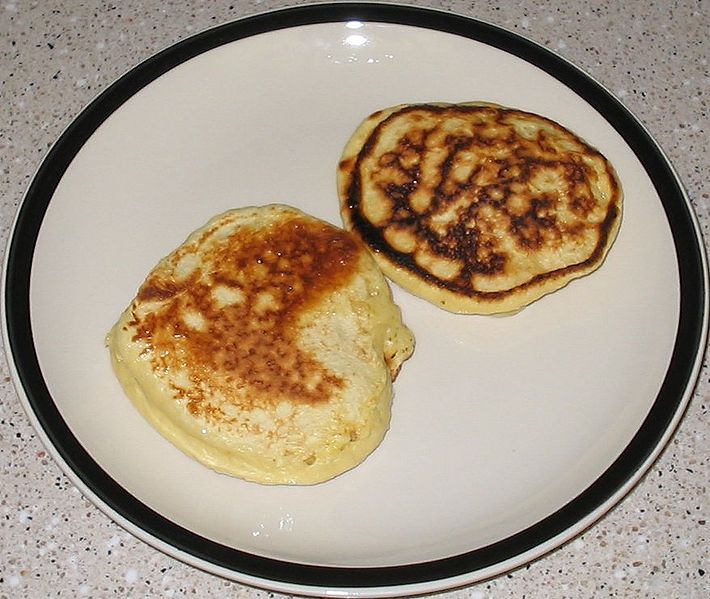
All those recipes for "paleo pancakes", "paleo cupcakes", and "paleo bread" seem great right? Or are we really just fooling ourselves by sprinkling sugar on crap, metaphorically speaking. Paleonu blogger Kurt Harris has a good article that addresses the act of making neolithic foods "paleo". Perhaps we should rethink recreating those foods we used to crave so much, or at least save them for special occasions such as birthdays and weddings. Check it out.
Smoking Candy Cigarettes by Kurt Harris
Thursday, July 29, 2010
Great resource for nutrition and health!
Hey guys, sorry it's been so long. I've recently stumbled upon a incredibly useful collection of blogs and websites and knew I had to share it! It covers many categories, from Paleo to Weston A. Price nutrition perspectives, to food activism, miscellaneous and local resource info sites. The page details each category, as well as gives a brief description of each website or blog. This is definitely a page to bookmark!
Eat This: The Ultimate Food Resource Guide
Monday, July 5, 2010
Nutrition Series: The Basics - Lipoproteins
Here is the next installment of the Nutrition Series! It may help to revisit the last post in this series, about cholesterol. This one explains a bit about how lipids are carried around in our bodies, and with topics like HDL and LDL abounding in the media, it can be beneficial to know a bit about these hard working molecules that have been indiscriminately labeled good and bad, respectively.

Lipoproteins are complexes of phospholipids and apolipoproteins, as shown in the picture above. Lipoproteins play a hugely important role in the body, by facilitating the transport of non-water soluble triglycerides, cholesterol, and cholesterol esters in the aqueous(water based) environment of our bloodstream. These lipoprotein particles are classified by their density and size, with larger and less dense lipoproteins consisting of more fat than protein. Some of the largest particles may be up to 200 times the size of the smallest ones, but even the the largest, chylomicrons, can only be about 1/20th the width of the thinnest human hair.
Here are the various classifications of lipoproteins, in order from largest/least dense to smallest/most dense:
Chylomicrons are created by the enterocytes in the small intestine. Enterocytes function to absorb nutrients from the gastrointestinal tract. Chylomicrons carry exogenous(created outside the body) sources of lipids, absorbed by enterocytes, to the liver, heart, adipocytes(fat storage cells), and skeletal muscles. After they’ve unloaded their contents, the remnants of these particles are recycled by the liver into VLDL.
(VLDL) Very Low Density Lipoprotein particles are created by the liver and carry endogenous(created within the body) products to peripheral tissues. As triglycerides from VLDL are deposited into the cells of tissues, it becomes an IDL particle.
(IDL) Intermediate Density Lipoprotein are either recycled by the liver, or deposit more lipids and become LDL particles.
(LDL) Low Density Lipoprotein, or the so called “bad cholesterol”, has the role of transferring the relatively large amount of cholesterol and cholesterol esters to peripheral tissues. There are varying sizes of LDL particles, and only the smaller, denser LDL particles have been associated with heart disease.
(HDL) High Density Lipoprotein, often called “good cholesterol”, carries excess cholesterol from cells back to the liver, to be metabolized into bile acids and salts.
Together, HDL and LDL maintain the cholesterol balance of the body, with LDL transferring cholesterol to cells, and HDL carrying cholesterol from cells.

THE BASICS - LIPOPROTEINS

A chylomicron; ApoA, B, C, and E are apolipoproteins, T (Triacylglycerol); C (Cholesterol); green (Phospholipids)
Lipoproteins are complexes of phospholipids and apolipoproteins, as shown in the picture above. Lipoproteins play a hugely important role in the body, by facilitating the transport of non-water soluble triglycerides, cholesterol, and cholesterol esters in the aqueous(water based) environment of our bloodstream. These lipoprotein particles are classified by their density and size, with larger and less dense lipoproteins consisting of more fat than protein. Some of the largest particles may be up to 200 times the size of the smallest ones, but even the the largest, chylomicrons, can only be about 1/20th the width of the thinnest human hair.
Here are the various classifications of lipoproteins, in order from largest/least dense to smallest/most dense:
Chylomicrons are created by the enterocytes in the small intestine. Enterocytes function to absorb nutrients from the gastrointestinal tract. Chylomicrons carry exogenous(created outside the body) sources of lipids, absorbed by enterocytes, to the liver, heart, adipocytes(fat storage cells), and skeletal muscles. After they’ve unloaded their contents, the remnants of these particles are recycled by the liver into VLDL.
(VLDL) Very Low Density Lipoprotein particles are created by the liver and carry endogenous(created within the body) products to peripheral tissues. As triglycerides from VLDL are deposited into the cells of tissues, it becomes an IDL particle.
(IDL) Intermediate Density Lipoprotein are either recycled by the liver, or deposit more lipids and become LDL particles.
(LDL) Low Density Lipoprotein, or the so called “bad cholesterol”, has the role of transferring the relatively large amount of cholesterol and cholesterol esters to peripheral tissues. There are varying sizes of LDL particles, and only the smaller, denser LDL particles have been associated with heart disease.
(HDL) High Density Lipoprotein, often called “good cholesterol”, carries excess cholesterol from cells back to the liver, to be metabolized into bile acids and salts.
Together, HDL and LDL maintain the cholesterol balance of the body, with LDL transferring cholesterol to cells, and HDL carrying cholesterol from cells.
The image below demonstrates the differences between small and large LDL particles, and shows the metabolism of lipoprotein particles in general as well. (LPL stands for lipoprotein lipase, an enzyme which hydrolyzes lipids in lipoproteins)

Sunday, July 4, 2010
Sun Exposure - Why you SHOULDN'T slather on the sunscreen

Sunshine Superman
Heliophobe Madness
Tuesday, June 22, 2010
Nutrition Series: The Basics - Cholesterol
It's finally here! Sorry this one took so long guys, but I had to do a lot of researching on some subjects on my own to get a better understanding of them before writing.
THE BASICS - CHOLESTEROL
Cholesterol is a waxy lipid that acts as the starting material for the production of steroid hormones, bile acids and salts, and vitamin D synthesis. It also is an important molecule used for the repair and maintenance of cell membranes, where it helps maintain membrane fluidity.
Hormones are very important chemicals in our bodies, altogether they form a system of intercellular communication. Hormones are very powerful, and required only in small amounts to induce their effects on the targeted area. Hormones regulate everything from digestion to electrolyte levels, to brain function, to tissue repair or breakdown, and everything in between; hormones are how the complex system of organs and tissues that is our body communicates and functions properly.
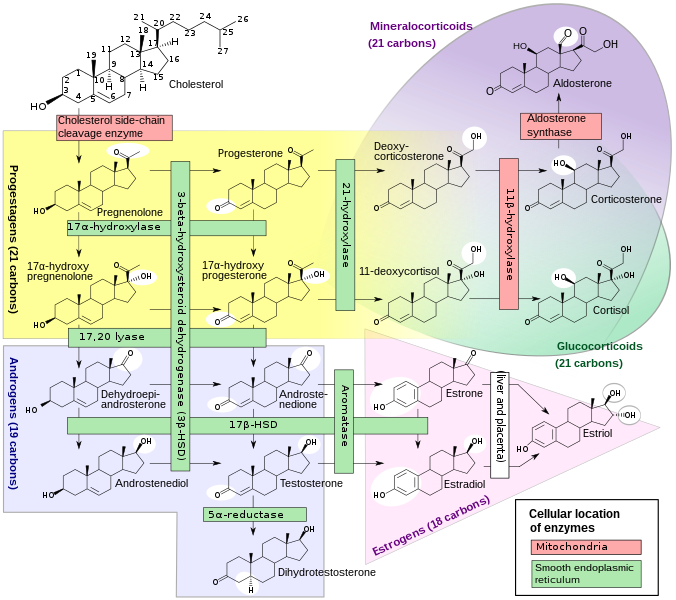
(Above - the pathways for synthesis of some important steroid hormones)
Glucocorticoids are hormones, secreted in the adrenal cortex, and have two main areas of influence, the immune system and metabolism, but they also play a role in arousal/cognition, and fetal development. Their effects on the immune system include an up-regulation of anti-inflammatory proteins, and a down-regulation of pro-inflammatory proteins. The net effect is a reduction in inflammation. Glucocorticoids have a catabolic effect on the body’s metabolism, which means that rather than storing energy, tissues are broken down to be used for energy. The specific mechanisms glucocorticoids stimulate are: increased gluconeogenesis, mobilization of amino acids from extrahepatic(other than liver) tissues, inhibition of glucose uptake by muscle and adipose tissue, and stimulation of fat breakdown(lipolysis). The most important glucocorticoid is cortisol.
Mineralocorticoids regulate electrolyte and water balance in the body primarily by acting on the kidneys. The primary mineralocorticoid is aldosterone, though progesterone and deoxycorticosterone also exhibit mineralocorticoid effects.
Androgens are generally known as the male sex hormones, in that they stimulate the development of male characteristics. They still do appear in females, but to a much lesser degree. The particularly well known androgens include testosterone and dihydrotestosterone(DHT).
Estrogens are steroid hormones that stimulate the development of feminine characteristics, as well as play an important role in regulating the estrous cycle. They are created by enzymes that convert androgens to estrogens. The primary estrogens in women are estradiol(most present in non-pregnant females), estriol(produced during pregnancy), and estrone(produced during menopause).
Progestagens, along with estrogens, act to regulate the menstrual cycle and estrous cycles.
Bile salts and acids are produced by the liver and stored in the gall bladder. The term bile salt refers to a molecule that is composed of a bile acid and either glycine or taurine. Their main function is to facilitate the formation of micelles, which helps the body process dietary fat. Because fat and water do not mix, micelles are necessary for lipids and fat-soluble vitamins to dissolve in aqueous(water based) solutions.
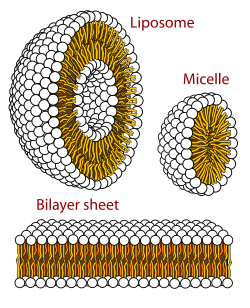
(Above - cross-sectional view of structures that can be formed by phospholipids in an aqueous solution)
The repair and maintenance of cell membranes requires cholesterol. Cholesterol typically makes up about 20% of the mass of the cellular membranes, with smaller amounts included in the organelles inside of cells. Cholesterol lends some structure to cell membranes, allowing them a certain degree of rigidity. Without cholesterol, the membrane would be much too fluid, and would be much too permeable to certain molecules. In addition to providing structure to cell membranes, cholesterol also keeps them fluid, by helping to separate phospholipids and keeping fatty acid chains from merging and crystallizing.

Lipid raft organisation, region (1) is standard lipid bilayer, while region (2) is a lipid raft.
Thursday, June 17, 2010
Nutrition Series: The Basics - Lipids
Here's the third part in the ongoing Nutrition Series! I realize there are a lot of links contained in each article, and these can help, but are not required, to further your understanding of the material. I encourage you to click on the links whenever slightly curious, they contain interesting and pertinent information relating to the information being presented. Enjoy!
THE BASICS - LIPIDS
Lipids include a variety of molecules that are either hydrophobic(water fearing - these molecules repel water) or amphiphilic(both water and lipid loving - these typically have both a hydrophilic side and a lipophilic side). Lipids include a broad range of molecules, but the groups that are most pertinent to the discussion of nutrition are triglycerides.

A triglyceride molecule is composed of three fatty acid chains connected to a glycerol molecule. Triglycerides make up the majority of animal fats as well as vegetable oils.
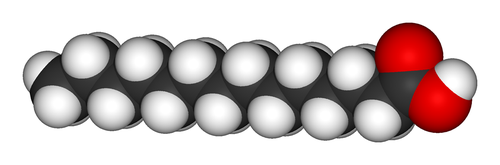
(A saturated fatty acid, myristic acid, notice the lack of double bonds)
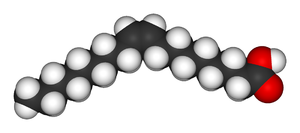
(A monounsaturated fatty acid, oleic acid, notice the single double bond that creates the bent shape)
Fatty acids are characterized as either saturated or unsaturated, based on the presence of double bonds in their structure. If the molecule contains no double bonds it is said to be saturated, otherwise it is unsaturated to some degree. Double bonds reduce the number of hydrogens on each carbon. These different structures provide different chemical properties such as melting point, lipid peroxidation potential, etc. In general, the more double bonds(the more unsaturated) a fat has, the greater its tendency to oxidize and the lower its melting point.
Lipid peroxidation is the oxidative degradation of lipids, and results in a chain reaction that continues creating free fatty acid radicals until either two radicals meet, or the cycle is terminated by an anti-oxidant. Free fatty acid radicals can cause significant damage to cell membranes, as well as create end products that may be mutagenic and carcinogenic.
Saturated Fatty Acids(SFA) - These fatty acids contain no double bonds, and as such are fully saturated with hydrogen. Saturated fats have a relatively high melting point, and are resistant to oxidation, making them preferable for high-heat cooking. SFA’s include: Lauric acid, Myristic acid, Palmitic acid, Stearic acid, and Archidic acid. Saturated fats are solid at room temperature.

(above is shown the change that occurs during hydrogenation of a MUFA to a trans fat)
Trans-Fatty Acids(TFA) - These unsaturated fats with the characteristic “trans” configuration. Trans-fatty acids include both natural and artificial fatty acids. The two natural trans fats, found mostly in grass-fed beef and dairy, are Vaccenic acid and Conjugated Linoleic acids(CLA). These two fats are highly anti-carcinogenic(against cancer), in fact, CLA(specifically rumenic acid) is one of the most potent anti-cancer compounds known to man. Vaccenic acid is converted to rumenic acid by enzymes within the body. These two fats also have antiatherogenic(against atherosclerosis) effects, and positive effects on body composition. Artificial fatty acids, such as Elaidic acid are created by the process of partial hydrogenation, and have been associated with cancer, heart disease, and a myriad of other negative effects. Artificially created trans fats are solid, but malleable, at room temperature.
Monounsaturated Fatty Acids(MUFA) - these fats contain a single double bond, and have a higher melting point than polyunsaturated fats(PUFA), but a lower melting point than saturated fats. Likewise, they have a lipid peroxidation potential in between PUFA’s and SFA’s. Oleic acid is the most prominent MUFA found in olive oil and also in human adipose tissue. These fats are considered generally healthy. At room temperature, these fats are liquid, but they will solidify at refrigerator temperatures.
Polyunsaturated Fatty Acids(PUFA) are those that contain 2 or more double bonds. These fats have the lowest melting point, and are the most susceptible to lipid peroxidation. They are liquid even at below 0°C. The main types of PUFA are omega-3’s and omega-6’s, but there are also some PUFA’s in the Omega-9 fatty acid group. Both omega-3's and omega-6's are essential fats, and must be obtained in sufficient amounts through our diet. The omega-3 and omega-6 fatty acids in our diet influence the level of inflammation in our body by their effect in the production of eicosanoids. Eicosanoids are signaling molecules that are made from omega-3 and omega-6 fatty acids, and they play a large role in regulating inflammation and immunity.
Important Omega-3 fatty acids include: Alpha Linoleic acid(ALA), Eicosapentaenoic acid(EPA), and Docosahexaenoic acid(DHA). Omega-3 fatty acids tend to produce less inflammatory eicosanoids than omega-6’s do. It should be noted that EPA and DHA are the active forms in which our body uses omega-3’s, and conversion from ALA to EPA and DHA is very inefficient (~5% for EPA); EPA and DHA can interconvert. Some rich sources of these fatty acids include: flax seed oil(ALA), fatty fish(EPA/DHA), and algae(DHA). Below is a diagram of both omega-3 and omega-6 fatty acid structures.

Important Omega-6 fatty acids include: Linoleic acid (LA) and Arachidonic acid(AA), . Omega-6’s tend to produce more inflammatory eicosanoids than omega-3’s do. Some rich sources of these fatty acids include: Grains, seeds, nuts, grain-fed meat, and vegetable oils. However, Gamma Linolenic acid(GLA) and Dihomo-Gamma-Linolenic acid(DGLA) play a role in reducing inflammation. Borage oil, primrose oil, spirulina, and hemp seed oil are good sources of GLA.
Tuesday, June 15, 2010
Nutrition Series: The Basics - Amino Acids, Proteins, and Enzymes

(pictured is a space-filling model of myoglobin, a protein found in muscle tissue)
THE BASICS - AMINO ACIDS, PROTEINS, AND ENZYMES
Amino acids are the building blocks of proteins. They connect to each other in long chains to form proteins, which take the form of very complex shapes, with many bends and folds.
There are 22 amino acids that comprise the proteins in our cells.
These can be subdivided into
Essential/non-essential - there are 8 amino acids considered essential, in that they can not be produced by our bodies and must be obtained through the diet. However, certain essential amino acids can be synthesized from certain non-essential ones. Also, in certain populations, non-essential amino acids become essential because of some type of disease or disorder; these amino acids are considered conditionally essential.
Essential Amino Acids: Isoleucine, Leucine, Lysine, Methionine, Phenylalanine, Threonine, Tryptophan, and Valine
Non-essential: Alanine, Aspartate(aka aspartic acid), Glutamate(aka glutamic acid), Pyrrolysine*, Selenocysteine* (*unclassified)
Conditionally Essential: Histidine, Tyrosine, Arginine, Cysteine, Glutamine, Glycine, Proline, Serine, and Asparagine.
Amino acids can also be characterized as either glucogenic, ketogenic or both. Glucogenic describes those amino acids that can be converted to glucose through gluconeogenesis. Ketogenic amino acids are those that can produce ketones through the process of ketogenesis.
Glucogenic Amino Acids: Glycine, Serine, Valine, Histidine, Arginine, Cysteine, Proline, Alanine, Glutamate, Glutamine, Aspartate, Asparagine, and Methionine.
Both glucogenic or ketogenic: Isoleucine, Threonine, Phenylalanine, Tyrosine, and Tryptophan.
Ketogenic Amino Acids: Leucine and Lysine.
Enzymes are proteins that catalyze(or increase the rate of) chemical reactions. Most enzyme reaction rates are millions of times faster than comparable un-catalyzed rates.
Sunday, June 13, 2010
Nutrition Series: The Basics - Carbohydrates

Hi guys, over the next few months, I will be going through a nutrition series that will hopefully cover much of the important stuff in nutrition. I will be basing the format on Mat Lalonde's lecture, explaining it, and adding to/modifying it where needed. We'll begin with the basics, going over the fundamentals of nutritional science, and next we'll get into two theories of nutrition: the fat hypothesis and the carbohydrate hypothesis. Let's get started!
THE BASICS - CARBOHYDRATES
There are two basic categories of nutrients: macronutrients, and micronutrients. Macronutrients are further categorized into carbohydrate, protein, and fat and are what our body derives energy from. Micronutrients are what we know as vitamins and minerals and do not supply any calories.
Essential nutrients are substances which are required by for normal body functioning, but which can not be synthesized by the body at all, or in sufficient amounts, and thus must be obtained from the diet. Essential nutrients include: vitamins, minerals, essential fatty acids, and essential amino acids. Oxygen and water are also required.
Non-essential nutrients are those that are not required to obtain through diet, but that may have significant impact on health status. Carbohydrates, dietary fiber, and phytochemicals fit into this category. There is no such thing as an essential carbohydrate, the body can synthesize carbohydrates as needed in the body through a process called gluconeogenesis(this will be discussed in a later post). Dietary fiber may be beneficial in the digestive process, and phytochemicals are being increasingly looked at for treating various ailments and for their other health benefits.
Carbohydrates are what we commonly refer to as sugars and are generally divided into 4 categories: Monosaccharides, Disaccharides, Oligosaccharides, and Polysaccharides.
A monosaccharide is a single isolated carbohydrate molecule, that is not linked to any other carbohydrate. They are often referred to as simple sugars. Examples include: glucose, fructose, galactose, xylose, and ribose.
A disaccharide is two carbohydrate molecules linked by a glycosidic bond. Some common examples are sucrose(glucose+fructose; also known as table sugar), lactose (glucose+galactose; found in milk), and maltose (glucose+glucose; commonly formed when brewing alcohol).
Oligosaccharides generally contain anywhere from 3 to 9 carbohydrate molecules, though the exact number at which it should be called a polysaccharide really doesn’t matter. Oligosaccharides can only be partially digested by humans, and play a role in maintaining gut flora, which is why they are commonly used as prebiotics. The two common oligosaccharides used as prebiotics are: fructooligosaccharides (FOS) and inulin. FOS are found in various vegetables and fruits, but is found in highest concentrations in the Jerusalem artichoke. Inulin is found in many of the same plants as FOS, but is not found in fruit to a large extent.
Polysaccharides are chains of carbohydrate molecules composed of 10 or more monosaccharides. Common examples include storage forms such as starches and glycogen, as well as structural forms like cellulose (aka insoluble fiber). Starch is composed of long chains of glucose molecules, and are the found in all plants, albeit with radically varying degrees of carbohydrate density. Glycogen is the storage form of carbohydrate in animals, and is stored mainly in the liver and muscles, and to a very small extent, in the kidneys.
Friday, June 11, 2010
The Paleo Diet Newsletter
Hey guys, recently, I've been receiving some very interesting and pertinent information about the consumption of nightshades, which includes various plants such as potatoes, peppers, tomatoes, and eggplant. I've been receiving this free of charge from The Paleo Diet Newsletter, by Loren Cordain, one of the foremost experts on the paleo diet. I highly recommend you guys subscribe to his weekly newsletter. It's free, and there are often quite interesting articles sent out. Sometime in the future, I'll write up a piece on nightshades, combining the information from Dr. Cordain's article, as well as knowledge from the Nutrition Seminar with Mathieu Lalonde. I would also highly recommend Mat Lalonde's seminar, for those of you who would like to get into the finer details, as well as those who simply want a good basic understanding of why the paleo diet works so well.
Tuesday, June 8, 2010
Saturday, June 5, 2010
Sports Drinks - The Good, The Bad, and The Sugar

Sports Drinks
Sports drinks are used in athletics at almost any level in an effort to replace carbohydrate, electrolytes and other nutrients, and generally come in three varieties : Isotonic, Hypertonic, and Hypotonic. Isotonic drinks, the most common, have concentrations of electrolytes and sugar at levels found in the body, whereas hypertonic and hypotonic have levels above and below, respectively.
Sports drinks can be useful for preventing water intoxication, which occurs when too much water is consumed and the electrolyte concentration of the blood drops. This is a potentially lethal condition, but it takes very large amounts to reach dangerous levels.
New research has also revealed a bit about how our brain keeps a throttle on how hard we can push. After bicycling to exhaustion, participants in the study were given a mouthful of a sugar or artificially sweetened solution then spat it out. Compared to controls, they were able to ride for quite a bit further immediately. It seems as though the brain may limit energy output by what the body's perceived energy status is. Sports drinks may have a place in reducing fatigue during exercise.
There are however some inaccuracies about sports drinks that need to be addressed. The claim that they prevent cramps by way of electrolyte replenishment is not substantiated by science. In fact, this review of the studies looking at cramps in runners found no connection between cramping and electrolyte status. They concluded that neurological changes associated with fatigue and often over-reaching by athletes may be a more likely cause.
The requirements of athletes differs greatly by sport, and not all athletes will benefit from sports drinks during competition. Sports drinks should only be used during competition or very hard training for athletes in glycogen dependent sports. Regular use of sports drinks outside of these scenarios can lead to insulin resistance, fat gain, and other manifestations of metabolic derangement. Athletes that perform in relatively high intensity sports for long or medium duration may require more carbohydrate to fuel training than pure endurance or strength athletes. Rather than sports drinks though, they should strive to consume their carbohydrate in the form of nutrient and antioxidant dense sources like yams, sweet potatoes, other root vegetables and squash. Even these athletes will likely do well with carbohydrate comprising 40% or less of their caloric intake. They will do better to keep carbohydrate levels moderate, then very low 5 days out from competition, then carb-load the last 2 days before competition, resulting in extremely full glycogen stores.
Strength athletes have relatively little need for full glycogen stores, and so do not need sports drinks, though protein shakes MAY be of some benefit. Ultra-endurance athletes will do best to be fat adapted, and so may benefit from a relatively low carbohydrate diet, except in the few days prior to competition. Sports drinks can benefit your performance in competition, but use them sparingly, as the costs often outweigh the benefits.
Thursday, June 3, 2010
Tuesday, May 18, 2010
Wednesday WOD - Ketosis: What is it and how does it work?
WOD
"CrossFit Total"
1 rep Squat max, 3 attempts
1 rep Press max, 3 attempts
1 rep Deadlift max, 3 attempts
Warm up to the weight first, then attempt your maxes. Post loads to comments.
Ketosis: What is it and how does it work?
Ketosis is a state in which your body produces chemicals called ketones, which are an alternative fuel source to glucose for many bodily tissues. Typically this occurs during starvation, when the body uses gluconeogenesis to convert muscle tissue protein to glucose in the liver, in the body's effort to save muscle tissue. By substituting ketones, which are made from fat, for glucose in fueling much of the body's systems, there is less of a need to convert muscle protein into glucose, thereby preserving muscle mass.
Ketosis has also been shown as a possible treatment for cancer, because cancer cells cannot metabolize ketones as well for energy as the rest of the body, they need glucose. Ketogenic diets have shown promise for slowing, stopping and even reversing the growth of tumors.
Dr. Michael Eades has written an excellent post drawing out how ketosis works in better detail and why it is the best state to be in if you want to lose fat while preserving muscle mass. He also provides instructions on how to use ketosis to your advantage. In the second post, Dr. Eades explains how ketosis helps our cells clear out cellular debris, helping to prevent the buildups of junk proteins within cells, which is a contributing factor to aging.
Metabolism and Ketosis
Ketosis Cleans Our Cells
Here is a paper from Nutrition and Metabolism showing that low-carb diets do not necessarily reduce performance in athletes.
Ketogenic Diets and Physical Peformance
"CrossFit Total"
1 rep Squat max, 3 attempts
1 rep Press max, 3 attempts
1 rep Deadlift max, 3 attempts
Warm up to the weight first, then attempt your maxes. Post loads to comments.
Ketosis: What is it and how does it work?
Ketosis is a state in which your body produces chemicals called ketones, which are an alternative fuel source to glucose for many bodily tissues. Typically this occurs during starvation, when the body uses gluconeogenesis to convert muscle tissue protein to glucose in the liver, in the body's effort to save muscle tissue. By substituting ketones, which are made from fat, for glucose in fueling much of the body's systems, there is less of a need to convert muscle protein into glucose, thereby preserving muscle mass.
Ketosis has also been shown as a possible treatment for cancer, because cancer cells cannot metabolize ketones as well for energy as the rest of the body, they need glucose. Ketogenic diets have shown promise for slowing, stopping and even reversing the growth of tumors.
Dr. Michael Eades has written an excellent post drawing out how ketosis works in better detail and why it is the best state to be in if you want to lose fat while preserving muscle mass. He also provides instructions on how to use ketosis to your advantage. In the second post, Dr. Eades explains how ketosis helps our cells clear out cellular debris, helping to prevent the buildups of junk proteins within cells, which is a contributing factor to aging.
Metabolism and Ketosis
Ketosis Cleans Our Cells
Here is a paper from Nutrition and Metabolism showing that low-carb diets do not necessarily reduce performance in athletes.
Ketogenic Diets and Physical Peformance
Monday, May 17, 2010
*IMPORTANT*
In my class on Evolutionary Medicine today, we acquired limited time access to some great videos and lectures. I've found two lectures on the Paleolithic Diet by Professor Boyd Eaton, one of the more knowledgeable people on the subject of nutrition and our ancestral past. I'd like you to watch one or both of them, they're very informative and will give you a very coherent idea of why many CrossFit athletes eat a Paleo/Primal diet. It's a very limited time deal, so watch them as soon as possible, I don't know if they'll be available tomorrow! Username: Washington
Password: member
Here are the links to the pages:
http://hstalks.com/main/browse_talk_info.php?talk_id=142&series_id=20&c=252
http://hstalks.com/main/browse_talk_info.php?talk_id=142&series_id=20&c=252
P.S. After watching the first and part of the second, I've realized that these are almost the same video at the beginning, so feel free to skip until you find the new material in the second video.
Password: member
Here are the links to the pages:
http://hstalks.com/main/browse_talk_info.php?talk_id=142&series_id=20&c=252
http://hstalks.com/main/browse_talk_info.php?talk_id=142&series_id=20&c=252
P.S. After watching the first and part of the second, I've realized that these are almost the same video at the beginning, so feel free to skip until you find the new material in the second video.
Subscribe to:
Posts (Atom)